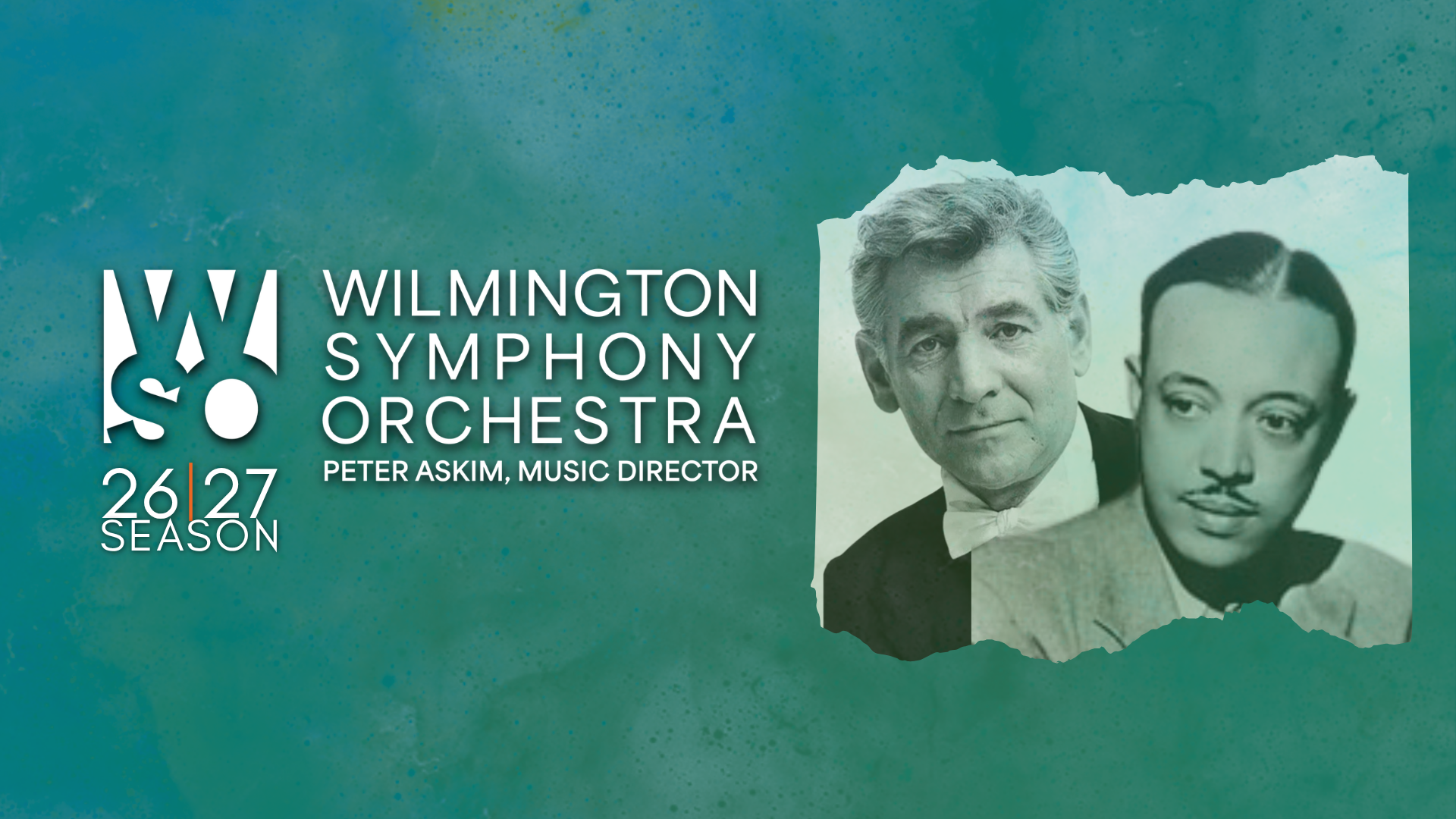
America at 251: A Journey into the Future
Bernstein Chichester Psalms + Still Symphony No. 1
JANUARY 16
7:30 PM - Wilson Center @ CFCC
Looking Back/Looking Forward
America at 251: A Journey into the Future features Chickasaw composer Jerod Impichchaachaaha’ Tate’s Chokfi, alongside Jennifer Higdon’s Blue Cathedral, Leonard Bernstein’s Chichester Psalms performed with the Cape Fear Chorale, and William Grant Still’s Symphony No. 1, “Afro-American,” a cornerstone of American symphonic music.
Peter Askim, Conductor
Cape Fear Chorale
Jennifer Higdon: Blue Cathedral
Jerod Impichchaachaaha' Tate: Chokfi'
Leonard Bernstein: Chichester Psalms with Cape Fear Chorale
Willliam Grant Still: Symphony No. 1, "Afro-American"
GUEST CHOIR
Cape Fear Chorale
Cape Fear Chorale is a choir of 70-85 auditioned singers serving the southeastern region of North Carolina. The Chorale presents two major concerts annually, as well as one fundraiser concert each spring. Recent highlights include performances of Bach's Christmas Oratorio, Vaughan Williams's Five Mystical Songs, the Southern regional premier of Judith Weir's The Big Picture, Brahms's Liebeslieder Waltzes, selections from Leonard Bernstein's Mass, a concert of music from North and South America, and a pre-show holiday concert before City Ballet's 2024 Nutcracker at the Wilson Center in Wilmington. Founded in 1998 by Jerry Cribbs, Cape Fear Chorale has been led by Dr. Aaron Peisner since 2022.
Cape Fear Chorale believes in the transformative power of music. We celebrate the expressive capacity of the human voice and the ability of choral music to heal, unite, and inspire our community. We are committed to building our community through exceptional choral artistry and by creating meaningful, educational, and inclusive musical experiences.
COMPOSERS
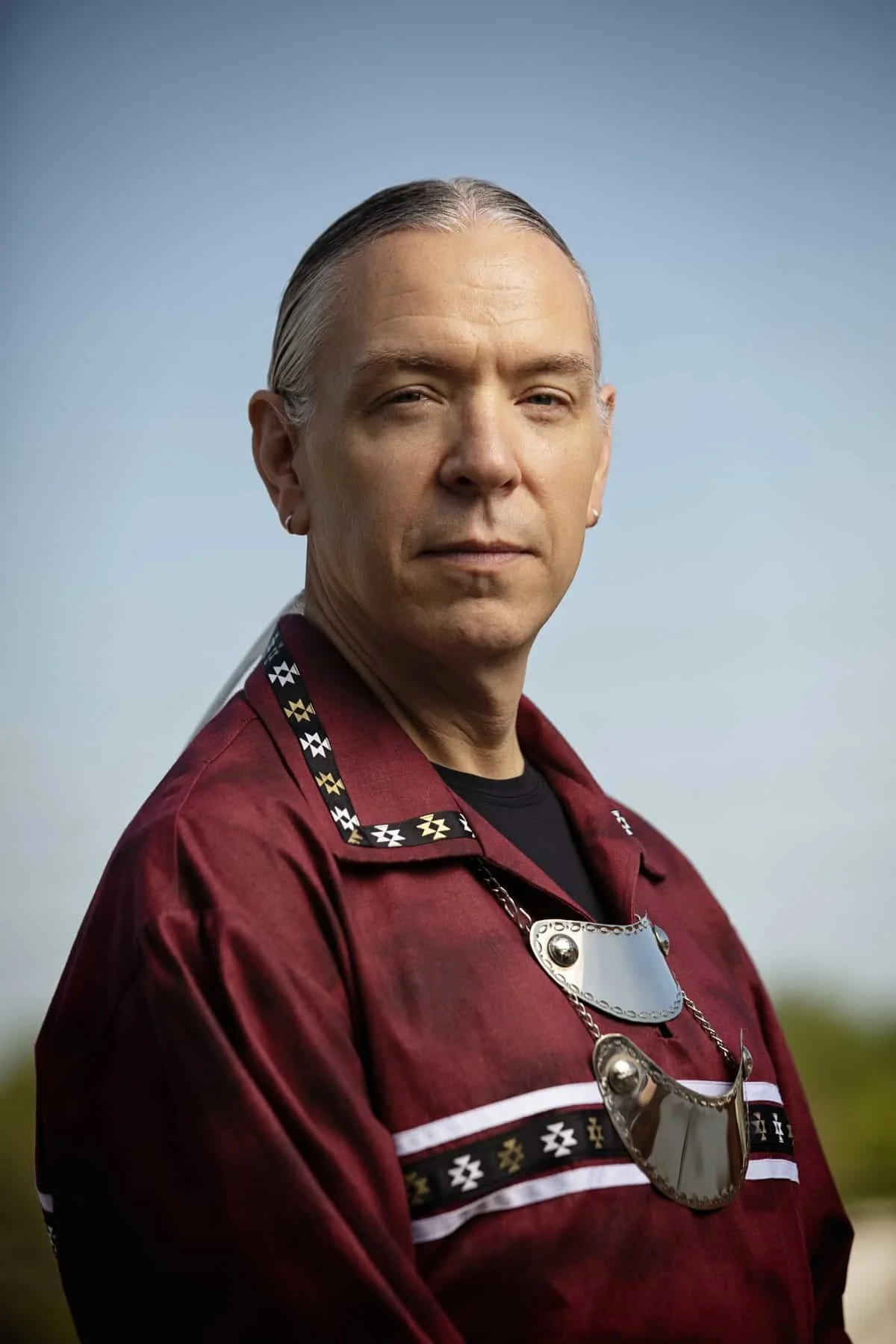
Jerod Impichchaachaaha' Tate is a Chickasaw-American father, classical composer, and citizen of the Chickasaw Nation in Oklahoma, dedicated to the development of American Indian classical composition. The Washington Post raved that “Tate is rare as an American Indian composer of classical music. Rarer still is his ability to effectively infuse classical music with American Indian nationalism.” He is a 2022 Chickasaw Hall of Fame inductee and a 2022 Distinguished Alumni Award recipient from The Cleveland Institute of Music. In 2021, he was appointed a Cultural Ambassador for the U. S. Department of State. In 2025, Tate won the Wise-Hinrichsen Award in Music from the American Academy of Arts and Letters.
Among Tate’s recent premieres, highlights include commissions from the New York Philharmonic – for which The New York Times praised Tate’s “gifts for texture and color” – the American Composers Orchestra, Cantori NY, and Turtle Island Quartet. The Dover String Quartet commissioned Tate’s new quartet, Woodland Songs, as well as a newly commissioned orchestration of Pura Fe’s Rattle Songs, and continues to tour the works throughout the world. In fall 2024, Oklahoma’s Canterbury Voices performed the world premiere of Tate’s Loksi' Shaali' (Shell Shaker), the first opera written by an American Indian composer in their native language, and it was reprised at Mount Holyoke University in spring 2025 under the baton of TianHui Ng. PostClassical Ensemble presented an all-American Indian program curated by Tate at The Kennedy Center in Washington, D.C., and his popular work Chokfi’ has been programmed by symphonies across the country. His American Indian Symphony was performed at the Oklahoma City Philharmonic in April 2025.
Tate has recently been commissioned by Roomful of Teeth, violinist Irina Muresanu, Skaneateles Festival, and Big 10 Band Directors Association. Tate’s other commissioned works have been performed by the New York Philharmonic, National Symphony Orchestra, San Francisco Symphony and Chorus, Dallas Symphony Orchestra, Detroit Symphony Orchestra, Minnesota Orchestra, American Composers Orchestra, Buffalo Philharmonic Orchestra, Oklahoma City Philharmonic, Winnipeg Symphony Orchestra, South Dakota Symphony Orchestra, Colorado Ballet, Oklahoma City Ballet, Canterbury Voices, Dale Warland Singers, Santa Fe Desert Chorale and Santa Fe Chamber Music Festival. His music was also featured in the HBO series Westworld.
Tate is a three-time commissioned recipient from the American Composers Forum, a Chamber Music America Classical Commissioning Program recipient, a Cleveland Institute of Music Alumni Achievement Award recipient, a governor-appointed Creativity Ambassador for the State of Oklahoma, and an Emmy Award-winner for his work on the Oklahoma Educational Television Authority documentary The Science of Composing.
Tate’s recording credits include Iholba' (The Vision) for Solo Flute, Orchestra and Chorus and Tracing Mississippi, Concerto for Flute and Orchestra, recorded by the San Francisco Symphony Orchestra and Chorus, on the GRAMMY® Award-winning label Azica Records. In 2021, Azica released Tate’s Lowak Shoppala' (Fire and Light), recorded by Nashville String Machine with the Chickasaw Nation Children’s Chorus and Dance Troupe, and the label recently released Tate’s inaugural composition, Winter Moons, and his MoonStrike, recorded by Apollo Chamber Players. His Metropolitan Museum of Art commission Pisachi (Reveal) is featured on ETHEL String Quartet’s album Documerica.
Tate earned his Bachelor of Music in Piano Performance from Northwestern University and his Master of Music in Piano Performance and Composition from The Cleveland Institute of Music. His middle name, Impichchaachaaha', means “their high corncrib” and is his inherited traditional Chickasaw house name. Learn more at www.jerodtate.com.
Jerod Impichchaachaaha' Tate
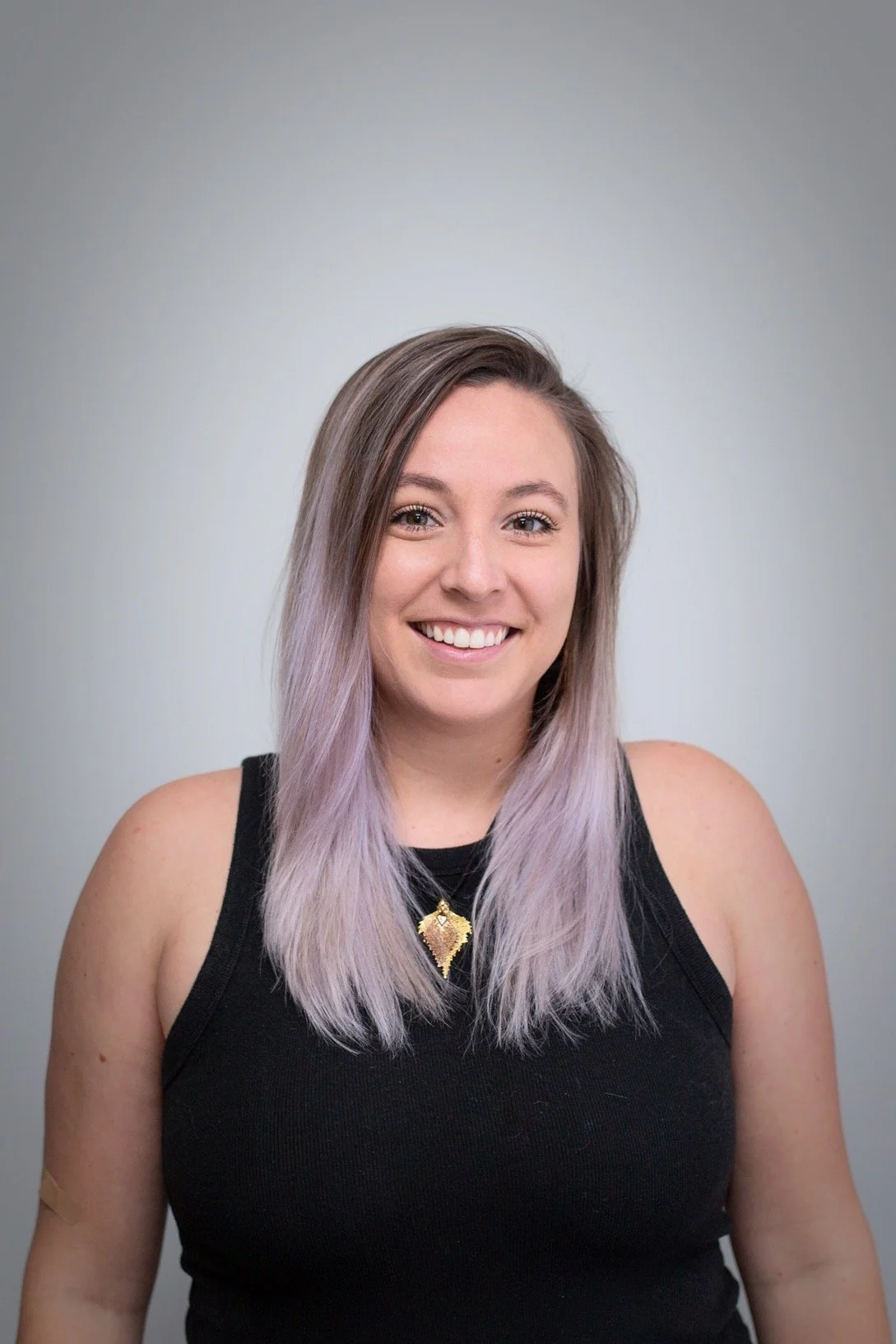
Chelsea Loew
Chelsea Loew (b. 1992: Charleston, SC) is a composer and performer whose interests are rooted in emotion, humanity, nature, and interaction. Her music has been described as “beautiful, warm, soft, and sensual” with “bursts of color and brightness” (EarRelevant). Her works often explore the relationships (both constructive and damaging) between language, communication, and expression. Driven by a curious spirit and a desire for connection, her music is highly gestural and textural with interactive and aleatoric elements, and she frequently collaborates with artists from other disciplines.
Chelsea’s music has been featured at venues and festivals including MOCA Georgia, National ACDA, National Museum of Wrocław, Musica Polonica Nova, Sacrum Profanum at Play Kraków, the Composer’s Conference at Brandeis, the National SCI Composers Conference, New Music on the Point, Nief-Norf, and Cameron Art Museum. Her compositions have been performed and recorded by ensembles and musicians such as Chór Narodowy Forum Muzyki, Yarn/Wire, Popebama, Latitude 49, Charleston Symphony Orchestra, Ensemble Vim, Peabody Laptop Orchestra, and Tony Arnold. Chelsea has received support for her work through grants and residencies from the Fulbright Program (US-Poland), the Ellis Beauregard Foundation, and SongFest.
As a performer, Chelsea is a founding member of Ensemble Decipher, a modular, technology-focused experimental music group, and a core alto member of the Taylor Festival Choir, where she serves as composer-in-residence. She is described to possess “ethereal vocalizations reminiscent of the music of Caroline Shaw and Roomful of Teeth.” (New York Theatre Wire)
Currently residing in Wilmington, NC, Chelsea serves as Assistant Professor at the University of North Carolina Wilmington where she teaches composition, upper-level music theory and aural skills courses, and orchestration. She also serves as Composition faculty for Nief-Norf Summer Festival. She holds degrees from Stony Brook University (PhD), Eastman School of Music (MA), and College of Charleston (BA).
Outside of music, Chelsea loves cooking, caring for her many plants, exploring the outdoors, and making ceramics.
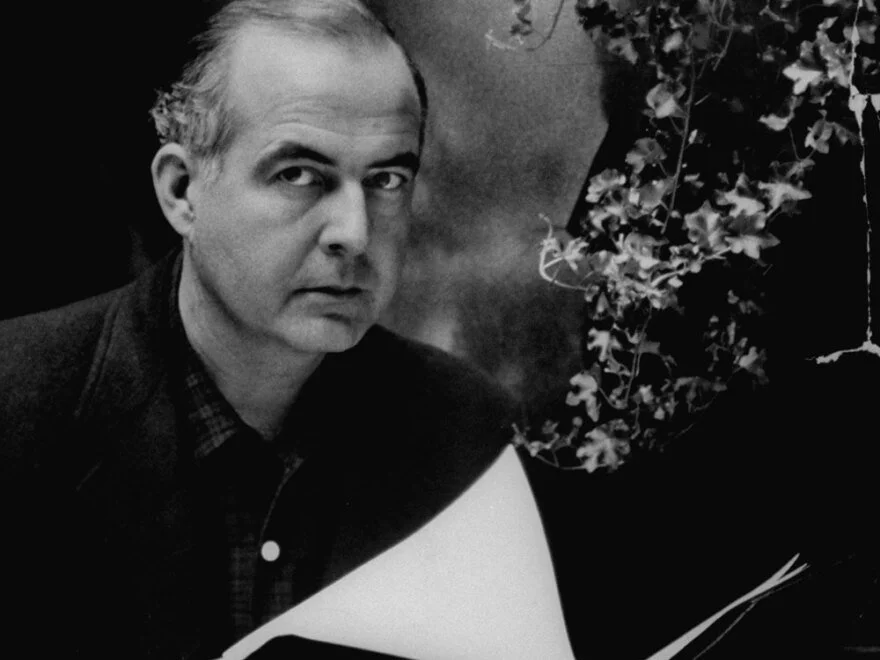
Samuel Barber
Samuel Barber (1910–1981) was an American composer and one of the most important voices in 20th-century classical music. Known for his lyrical style and emotional depth, his work reflects a continuation of Romantic traditions at a time when many composers were turning toward more experimental approaches.
Born in West Chester, Pennsylvania, Barber showed remarkable musical talent at an early age, studying piano, voice, and composition at the Curtis Institute of Music in Philadelphia. He quickly gained recognition, and his works were performed by leading orchestras and musicians both in the United States and abroad.
Barber’s music is widely admired for its expressive melodies and rich harmonies. His most famous piece, Adagio for Strings (1936), remains one of the most beloved and frequently performed works in the orchestral repertoire. Other notable compositions include his Violin Concerto, Piano Concerto, and the Pulitzer Prize–winning opera Vanessa.
Throughout his career, Barber maintained a distinctive voice that balanced tradition and modernity. His ability to communicate deep emotion through music has secured his place as one of America’s most enduring and widely performed composers.
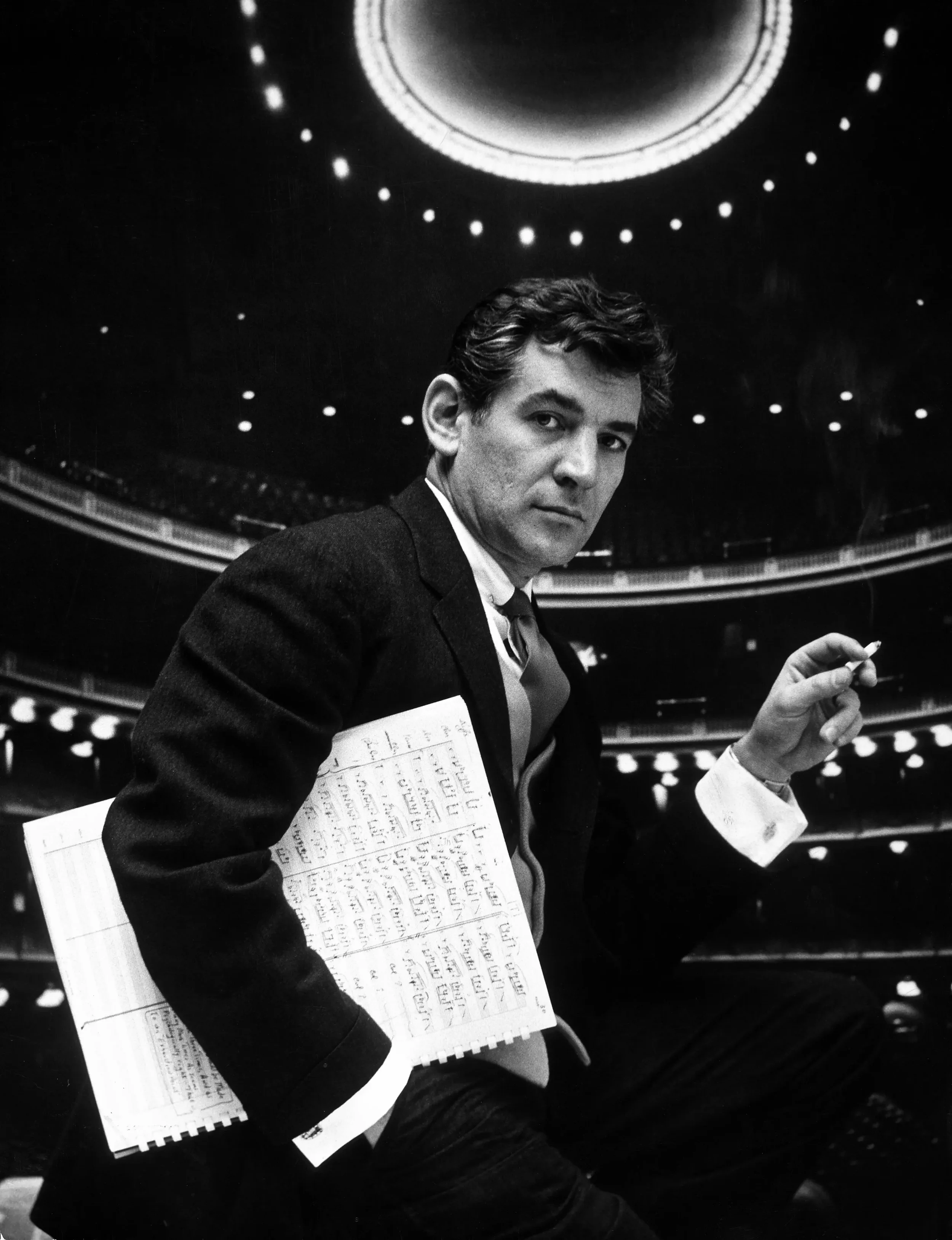
Leonard Bernstein
Leonard Bernstein (1918–1990) was an American composer, conductor, and pianist, widely regarded as one of the most influential musicians of the 20th century. He was among the first American-born conductors to achieve international acclaim and was celebrated for his dynamic conducting style, wide-ranging musical talents, and dedication to music education.
Born in Lawrence, Massachusetts, Bernstein studied at Harvard University and the Curtis Institute of Music before launching his career. His breakthrough came in 1943 when he famously substituted at the last minute for a New York Philharmonic concert, earning national recognition overnight.
Bernstein served as music director of the New York Philharmonic from 1958 to 1969 and became known for bringing classical music to a broad audience through televised Young People’s Concerts. As a composer, he successfully bridged classical and popular music, writing works that incorporated jazz and American influences.
His most famous compositions include the musical West Side Story, as well as works such as Candide and On the Town. Bernstein’s legacy endures through his contributions as a composer, conductor, and educator, shaping the landscape of American music for generations.
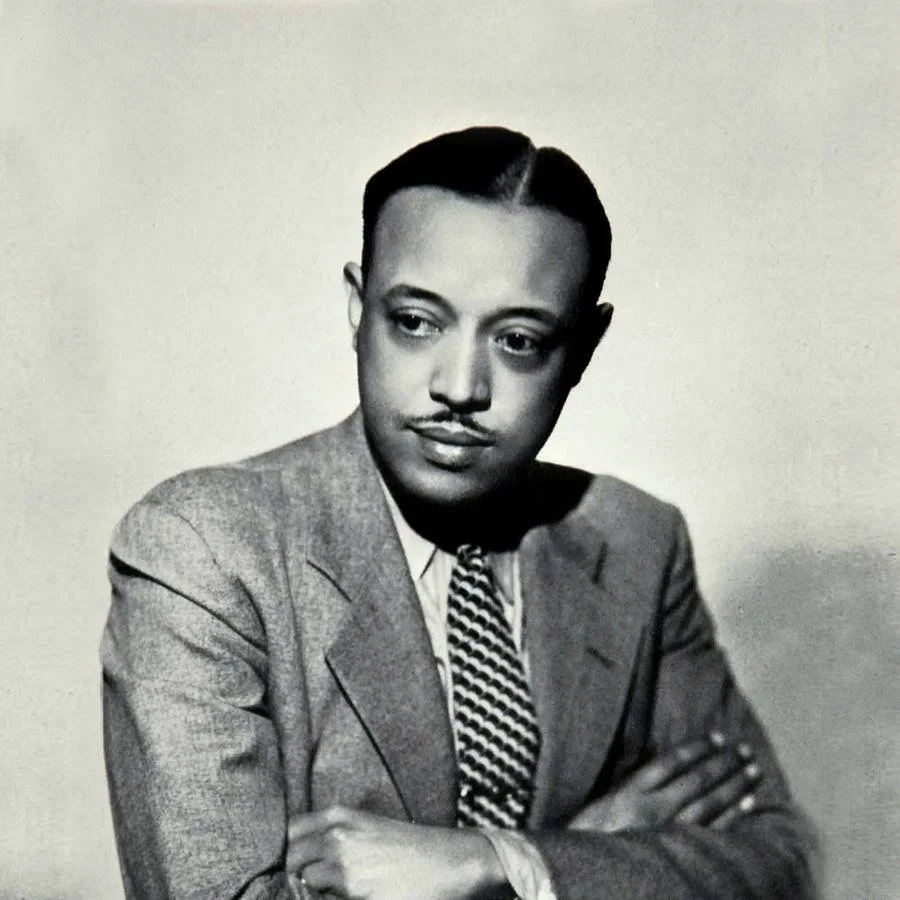
William Grant Still
William Grant Still (1895–1978) was an American composer, arranger, and conductor, often referred to as the “Dean of African American composers.” A pioneering figure in 20th-century classical music, he broke numerous racial barriers and helped bring greater recognition to Black composers in the concert world.
Born in Woodville, Mississippi, and raised in Little Rock, Arkansas, Still studied at Wilberforce University and later at the Oberlin Conservatory of Music. He also worked in the popular music industry, arranging for bandleaders such as W.C. Handy, which influenced his distinctive musical style.
Still’s music often blends classical forms with elements of African American spirituals, blues, and jazz. His most famous work, Symphony No. 1, “Afro-American” (1930), was the first symphony by an African American composer to be performed by a major U.S. orchestra. He also composed operas, chamber music, and film scores, becoming the first African American to conduct a major American orchestra and to have an opera performed by a major company.
Through his groundbreaking achievements and richly expressive music, Still played a vital role in shaping American classical music and expanding opportunities for future generations of composers.
FAQ
-
The Wilson Center Box Office (wilsoncentertickets.com)and Kenan Auditorium (uncwarts.universitytickets.com)are the only official ticketing providers for Wilmington Symphony Orchestra Concerts. Tickets purchased from resellers are often inflated in price and not eligible for event cancellations, rescheduling, or other changes. Buying directly from the Wilson Center is the only way to guarantee real tickets at the best price.
-
Clapping is encouraged! Just not all the time or while the musicians are playing… It is customary to hold your applause until the very end of the piece. Many of the works you hear have multiple sections called movements (each movement is listed in your program.)
Not sure when the end of the piece is? Your best bet is to watch the conductor. Wait until they put their arms down and turn to face the audience. If their hands remain in front of them, they are waiting for the orchestra to be ready to continue the piece. If you’re still in doubt, you can always wait until the crowd begins to applaud.
But this isn’t a hard and fast rule! If you happen to be inspired by a particular movement and spontaneously break into clapping, it’s ok! Trust us—there are many more patrons in the hall with you that feel the same way. On top of that, the musicians love knowing that they moved you to applause!
-
As an audience member you can wear whatever is comfortable for you. Some people might feel comfortable in jeans, but others might feel more comfortable in an evening gown or tux. A good guide might be your personal dress code for dinner with friends. Just got off work and don’t have time to change? Come as you are whether that be business casual, scrubs, or a suit - we just want you to be there! Want to show off your favorite formal dress on opening night? Wear it, all your fancy jewelry, and don’t forget your opera glasses.
-
Please silence your cell phones, alarms, and other audible electronic devices before the concert begins.
But feel free to check-in and share a photo BEFORE AND AFTER THE CONCERT.
We love engaging with audience members on social media!
Just remember to not disturb your seat neighbors during the concert. Phone screens give off more light than you’d think in a darkened hall!
With all of this being said, perhaps there’s really only one rule: respect the people around you, relax, and enjoy some incredible music.
-
We love it when our audience feels comfortable in the concert hall, but there are some things you should keep in mind in order to respect your fellow concert goers:
Eating, talking, and other careless noises are distracting to the musicians and to the audience. Concert hall acoustics can’t discriminate between orchestral sounds and the sound of a candy wrapper or dropped program. A good tip is to unwrap any cough drops, turn off your phone, and put your purse and coat under your chair before the concert starts.
26|27 PREMIERE SEASON SPONSORS: