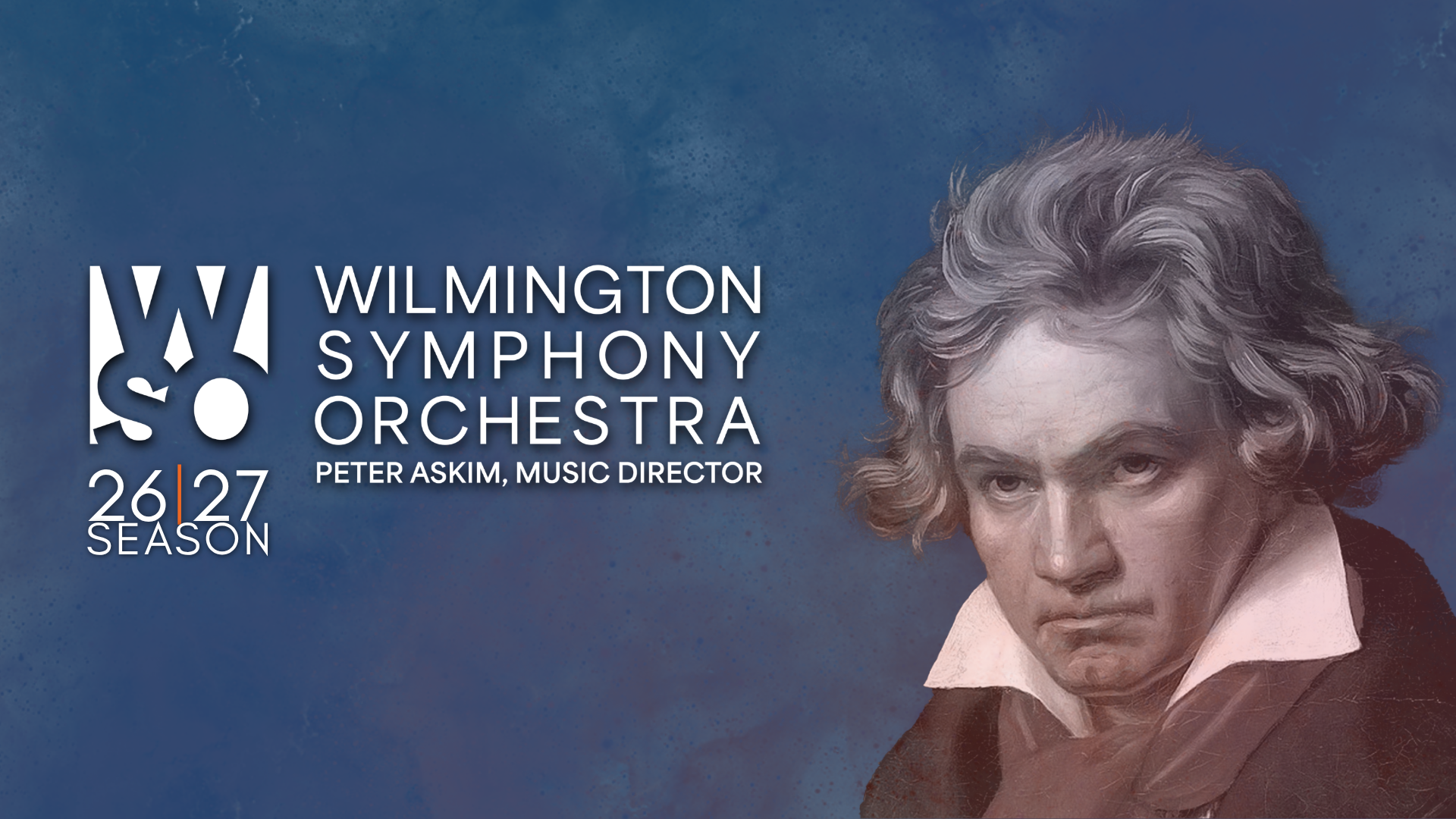

CONCERT SPONSORED BY
Journeys
Beethoven’s Fifth
NOVEMBER 14
7:30 PM - Wilson Center @ CFCC
Looking In/Looking Out
South to North, East to West, (Inner to Outer), Darkness to Light: This journey takes us from the Incan Peru of Gabriela Lena Frank, through the inner world of Grammy Winner Jeff Scott’s jazz-influenced, emotional The Journey, and through the timeless triumphs of Mozart and Beethoven’s iconic journeys from darkness to light.
Peter Askim, Conductor
Wolfgang Amadeus Mozart: Overture to the Magic Flute
Gabriela Lena Frank: Escaramuza
Jeffrey Scott: The Journey
Ludwig van Beethoven: Symphony No. 5 in C Minor, Op. 67
COMPOSERS
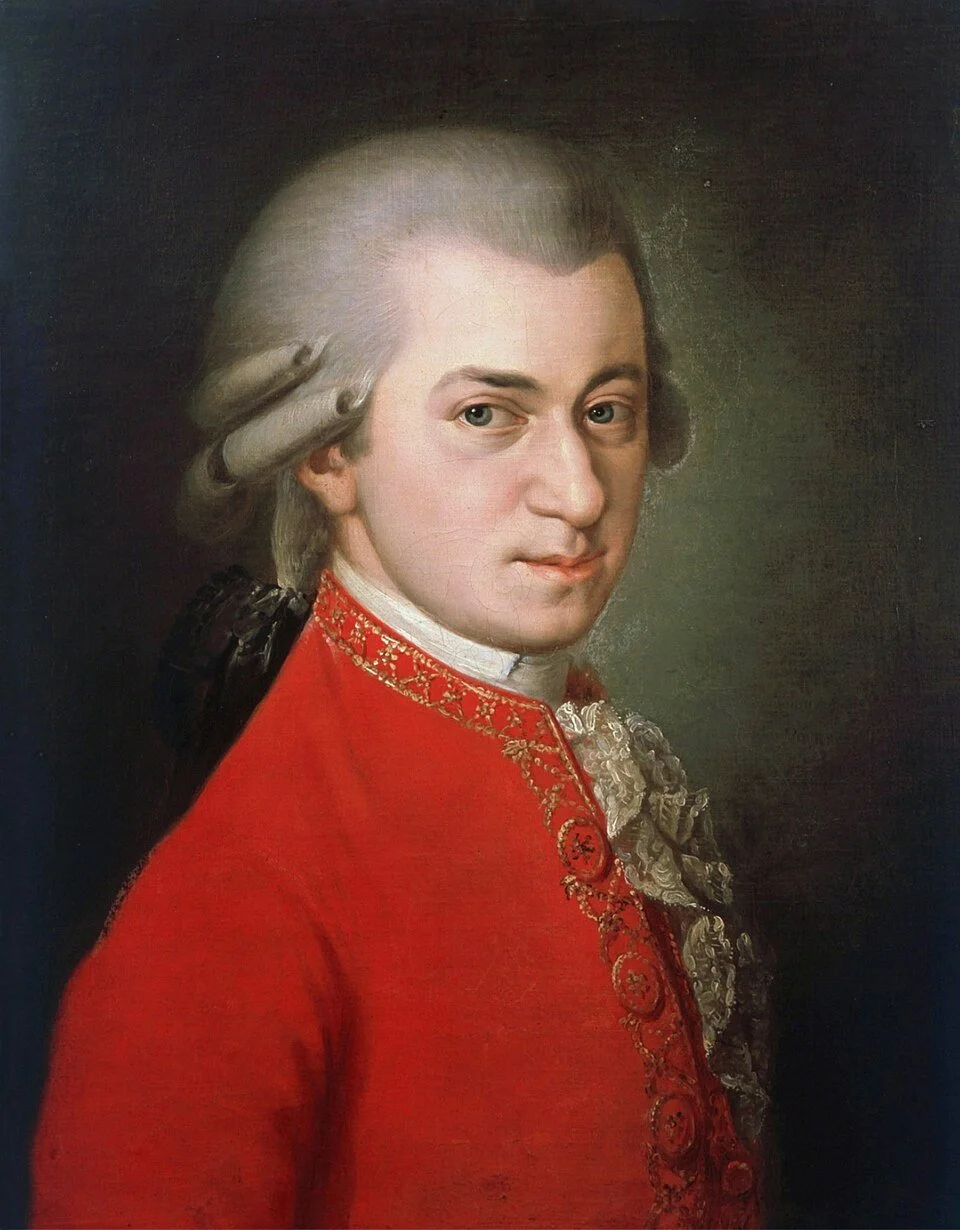
Wolfgang Amadeus Mozart
Wolfgang Amadeus Mozart (1756–1791) was an Austrian composer and one of the most influential figures in Western classical music. A central figure of the Viennese Classical school, he is widely regarded as one of the greatest composers of all time, known for his extraordinary musical imagination, clarity of form, and expressive depth.
Born in Salzburg, Mozart was a child prodigy who began composing at the age of five and performed for European royalty throughout his youth. Trained by his father, Leopold Mozart, he developed remarkable skill as both a pianist and composer at an early age.
Despite his short life, Mozart was astonishingly prolific, composing more than 600 works across nearly every musical genre, including symphonies, operas, concertos, chamber music, and choral works. His most celebrated compositions include The Marriage of Figaro, Don Giovanni, The Magic Flute, and the “Jupiter” Symphony.
Mozart’s music is admired for its balance, beauty, and emotional range, seamlessly combining technical mastery with deep human expression. His enduring legacy continues to shape classical music and inspire audiences around the world.
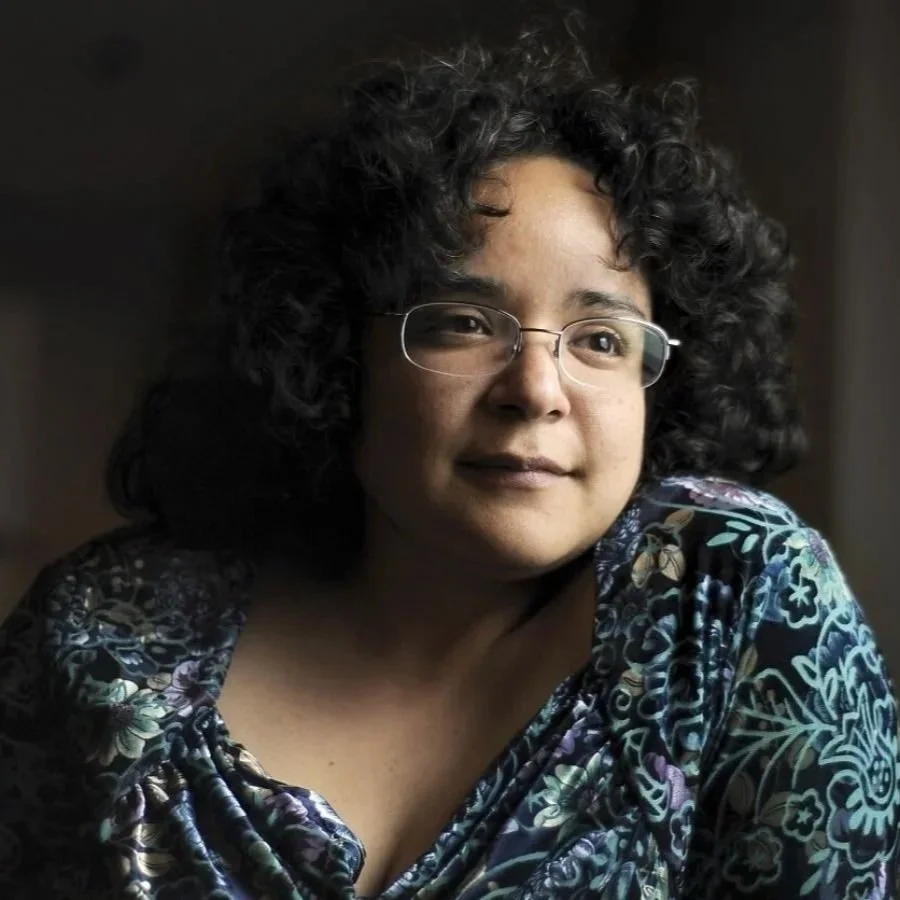
Gabriela Lena Frank
Gabriela Lena Frank is an American pianist and composer of contemporary classical music.
Frank’s father is an American of Lithuanian Jewish heritage and her mother is Peruvian of Chinese descent. She grew up in Berkeley, California. Her parents met when her father was a Peace Corps volunteer in Peru in the 1960s.
Frank received her bachelor’s and master’s degrees from Rice University. She earned a Doctorate in Music Composition from the University of Michigan in 2001. She has studied composition with Paul Cooper, William Albright, Leslie Bassett, William Bolcom, Michael Daugherty, and Samuel Jones.
Frank’s work often draws on her multicultural background, especially her mother’s Peruvian heritage. In many of her compositions, she elicits the sounds of Latin American instruments such as Peruvian pan flute or charango guitar, although the works are typically scored for Western classical instruments and ensembles such as the symphony orchestra or string quartet. She has said, “I think the music can be seen as a by-product of my always trying to figure out how Latina I am and how gringa I am.”
Frank is a member of the Silk Road Ensemble under the direction of cellist Yo Yo Ma. Her composition Ritmos Anchinos appears on the Silk Road Ensemble’s album Off the Map (World Village & In a Circle Records, 2009).
In 2017, Frank founded her own school, the Gabriela Lena Frank Creative Academy of Music, for emerging composers to work with renowned performers. In 2020, she received the 25th Annual Heinz Award in the Arts and Humanities for her work “weaving Latin American influences into classical constructs and breaking gender, disability and cultural barriers in classical music composition.”
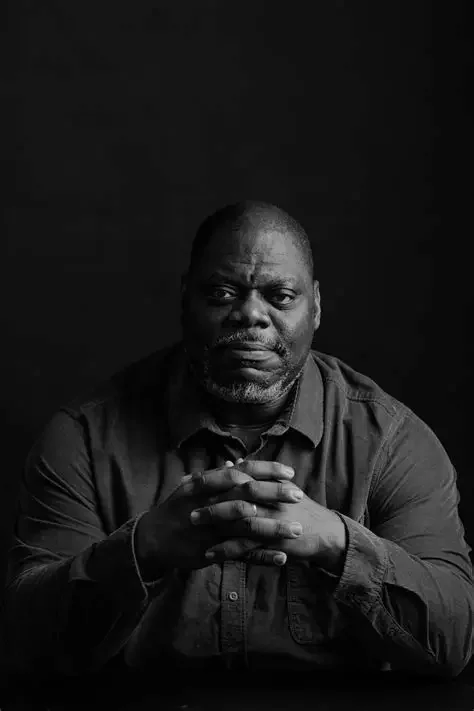
Jeffrey Scott
Jeffrey Scott, a Queens, NY native, began playing the French horn at age 14 with a scholarship for private lessons and music theory at the Brooklyn College Preparatory Division. His first teacher, Carolyn Clark, generously taught him for free during high school, providing an opportunity to pursue music when resources were scarce.
After earning degrees from the Manhattan School of Music in ‘90 and SUNY at Stony Brook in ‘92, Mr. Scott has had a diverse performance career in studio, chamber, and orchestral music, including Broadway shows, ballet companies, tours with commercial artists, and recordings for films, classical, pop, and jazz genres.
Mr. Scott’s compositions span symphonic and chamber orchestras, choirs, chamber groups, and solo pieces for wind, brass, strings, and voice and have been performed by the Detroit Symphony Orchestra, Chicago Sinfonietta, Orpheus Chamber Orchestra, Imani Winds, Akropolis Reed Quintet, Seraph Brass, among other ensembles. His piece Passion for Bach and Coltrane received a Grammy® for Best Classical Compendium in 2024.
A founding member of the renowned wind quintet Imani Winds, Mr. Scott retired in 2021 after 24 years of innovative touring, recording, and teaching. The quintet was commemorated with a permanent exhibit at the Smithsonian Museum of African American History in 2017.
Following a four-year tenure as associate professor of horn at Oberlin College and Conservatory, Mr. Scott is set to join the University at Buffalo as a professor of music in fall 2024.
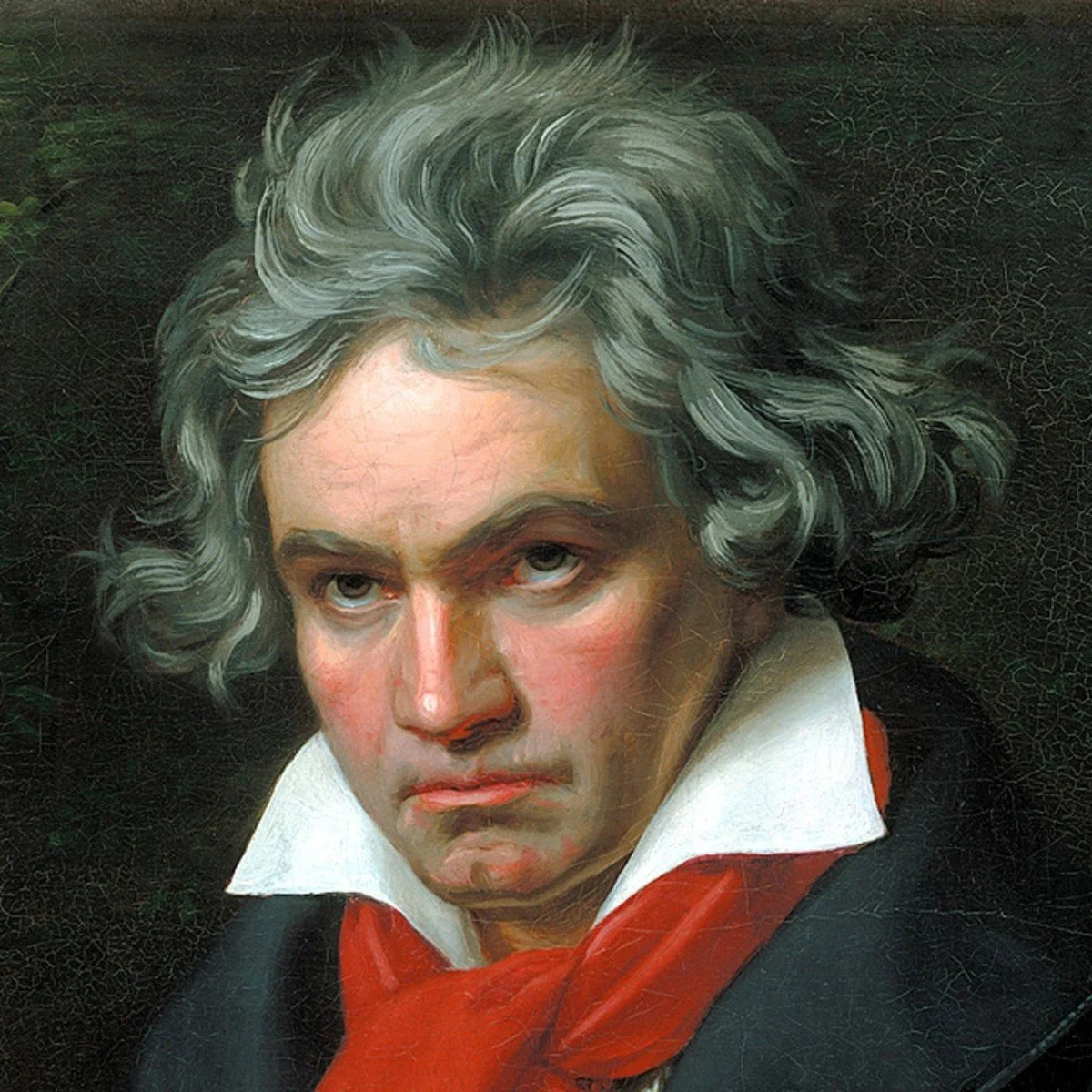
Ludwig van Beethoven
Ludwig van Beethoven (1770–1827) was a German composer and pianist, widely regarded as one of the greatest figures in Western classical music. A central figure in the transition between the Classical and Romantic eras, he expanded the scope and emotional power of music, shaping the course of composition for generations to come.
Born in Bonn, Beethoven showed early musical talent and later moved to Vienna, where he studied with composers including Joseph Haydn and established himself as a virtuoso pianist and composer. His career flourished despite increasing hearing loss, which eventually led to near-total deafness—yet he continued to compose some of his most celebrated works during this time.
Beethoven’s music is known for its intensity, innovation, and emotional depth. His most famous works include Symphony No. 5, Symphony No. 9, and the “Moonlight” Sonata. He redefined musical forms such as the symphony and string quartet, elevating instrumental music to new expressive heights.
Through his bold artistic vision and resilience, Beethoven left a lasting legacy that continues to inspire musicians and audiences around the world.
FAQ
-
The Wilson Center Box Office (wilsoncentertickets.com)and Kenan Auditorium (uncwarts.universitytickets.com)are the only official ticketing providers for Wilmington Symphony Orchestra Concerts. Tickets purchased from resellers are often inflated in price and not eligible for event cancellations, rescheduling, or other changes. Buying directly from the Wilson Center is the only way to guarantee real tickets at the best price.
-
Clapping is encouraged! Just not all the time or while the musicians are playing… It is customary to hold your applause until the very end of the piece. Many of the works you hear have multiple sections called movements (each movement is listed in your program.)
Not sure when the end of the piece is? Your best bet is to watch the conductor. Wait until they put their arms down and turn to face the audience. If their hands remain in front of them, they are waiting for the orchestra to be ready to continue the piece. If you’re still in doubt, you can always wait until the crowd begins to applaud.
But this isn’t a hard and fast rule! If you happen to be inspired by a particular movement and spontaneously break into clapping, it’s ok! Trust us—there are many more patrons in the hall with you that feel the same way. On top of that, the musicians love knowing that they moved you to applause!
-
As an audience member you can wear whatever is comfortable for you. Some people might feel comfortable in jeans, but others might feel more comfortable in an evening gown or tux. A good guide might be your personal dress code for dinner with friends. Just got off work and don’t have time to change? Come as you are whether that be business casual, scrubs, or a suit - we just want you to be there! Want to show off your favorite formal dress on opening night? Wear it, all your fancy jewelry, and don’t forget your opera glasses.
-
Please silence your cell phones, alarms, and other audible electronic devices before the concert begins.
But feel free to check-in and share a photo BEFORE AND AFTER THE CONCERT.
We love engaging with audience members on social media!
Just remember to not disturb your seat neighbors during the concert. Phone screens give off more light than you’d think in a darkened hall!
With all of this being said, perhaps there’s really only one rule: respect the people around you, relax, and enjoy some incredible music.
-
We love it when our audience feels comfortable in the concert hall, but there are some things you should keep in mind in order to respect your fellow concert goers:
Eating, talking, and other careless noises are distracting to the musicians and to the audience. Concert hall acoustics can’t discriminate between orchestral sounds and the sound of a candy wrapper or dropped program. A good tip is to unwrap any cough drops, turn off your phone, and put your purse and coat under your chair before the concert starts.
26|27 PREMIERE SEASON SPONSORS: